
Know your roof.
Plain-English guides to mountain roofing, storm damage, and Colorado insurance claims: the education we wish every homeowner had before the storm.
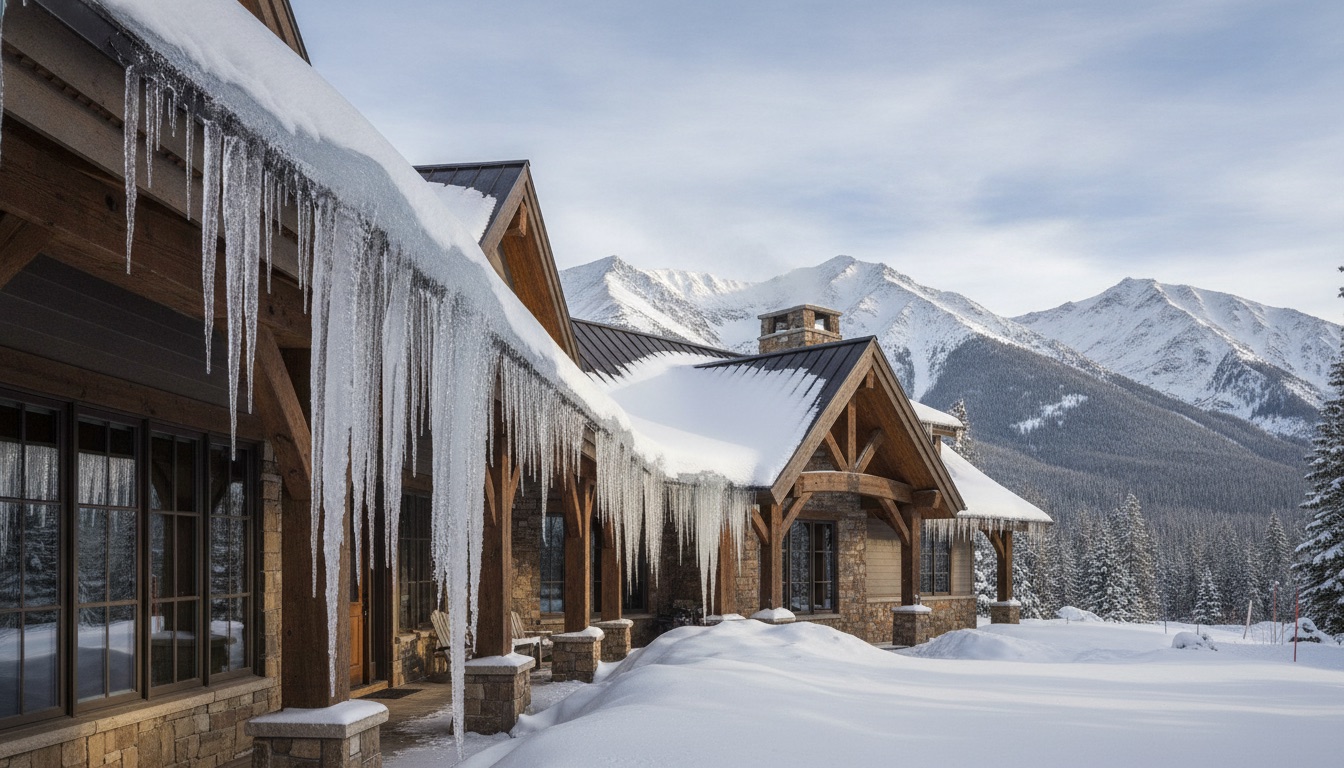
Ice dams: why mountain roofs leak from the inside
Snow weight gets the blame, but the melt does the real damage. Here's how ice dams form at elevation and what actually prevents them.
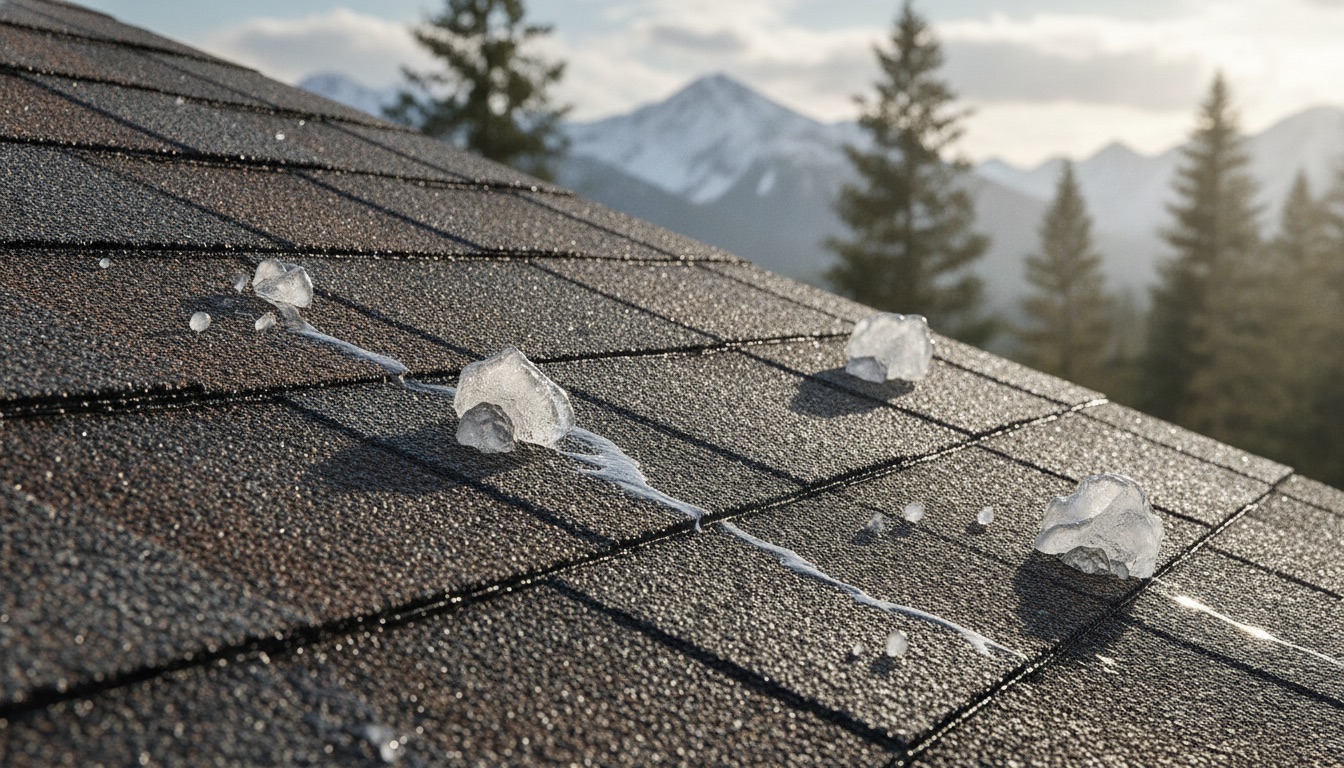
How Class 4 shingles can cut your insurance premium
Impact-resistant roofing often qualifies for a meaningful insurance discount in Colorado. What Class 4 actually means and how to qualify for it.
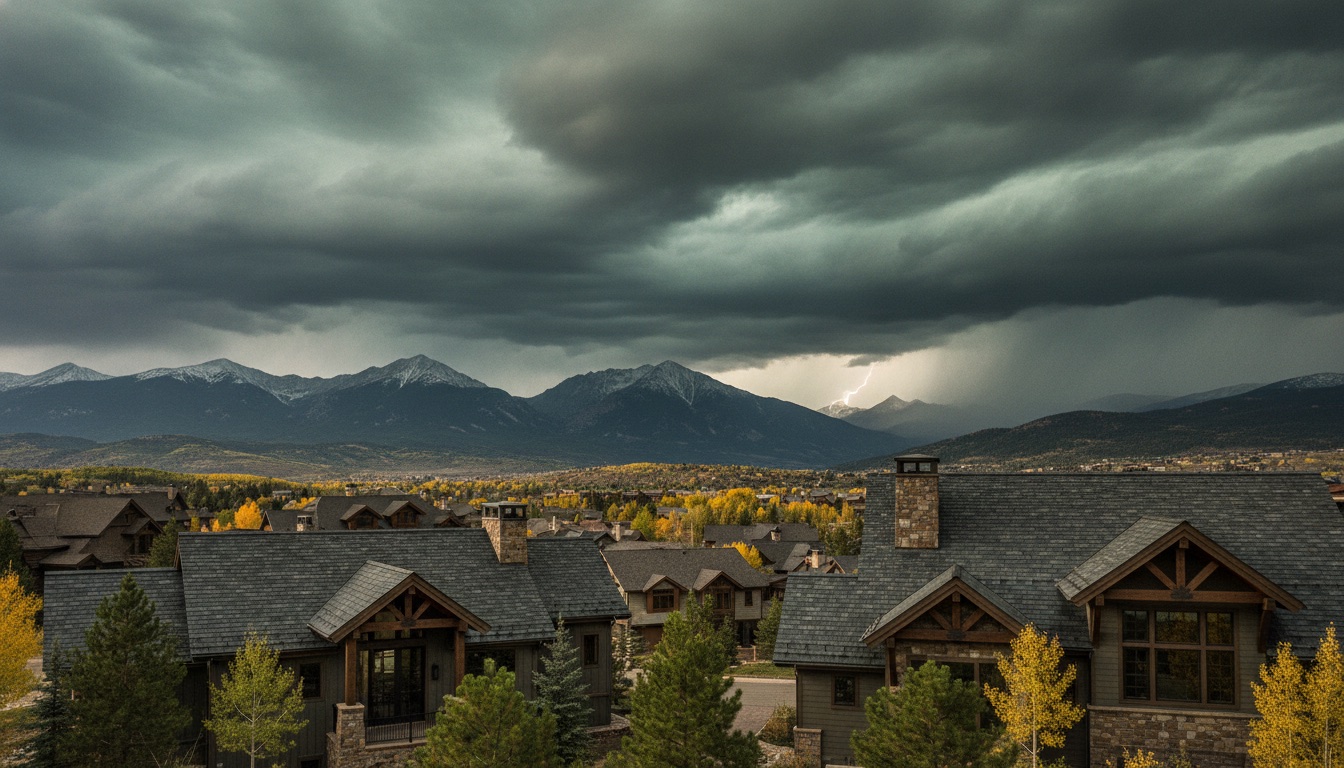
The first 48 hours after a hail storm
What to document, who to call, and the mistakes that quietly cost homeowners thousands in the first two days after a storm.

SB38: your right to choose your own roofer
Colorado's roofing consumer-protection law, in plain English: deposits, cancellation windows, and why 'preferred contractor' is a suggestion, not a rule.
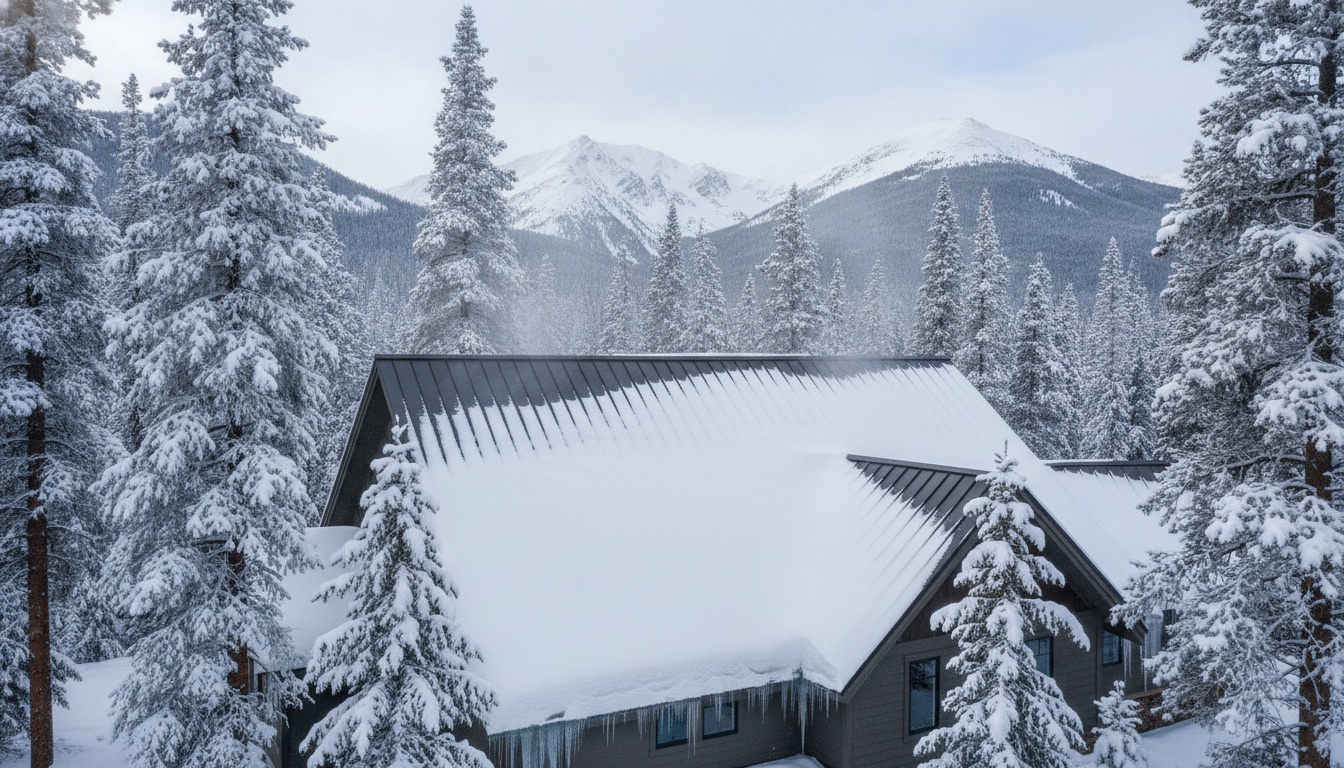
Snow load 101: what 300 inches a year does to a roof
Summit County roofs are engineered for forces Denver roofs never see. What snow load means, and the design details that handle it.

How to read your insurance scope (and spot a short one)
Your claim estimate is a line-item document called a scope. Here's how to read it like a CPA, plus the items that are most often missing.
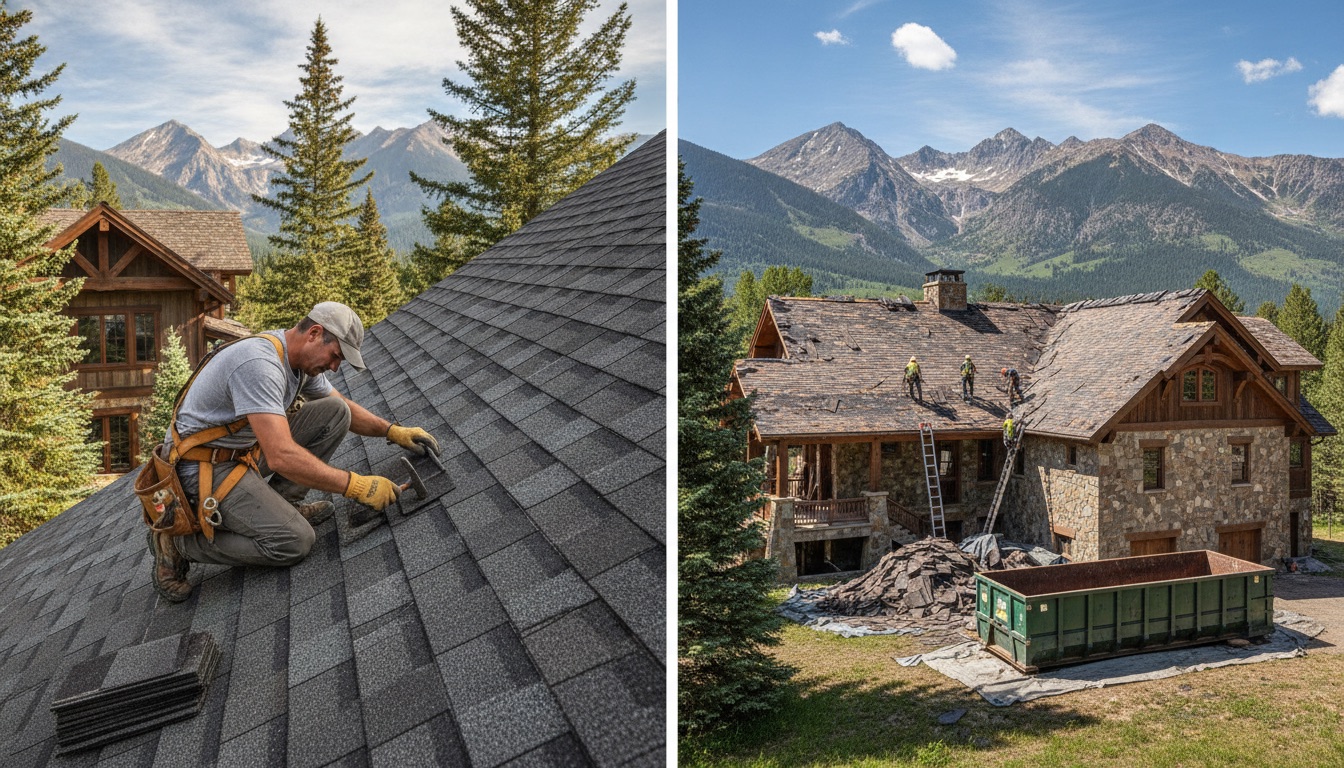
Repair or replace? The honest math for mountain roofs
A company that only sells replacements will never tell you a repair is enough. Here's how we actually decide: age, damage extent, and remaining life.
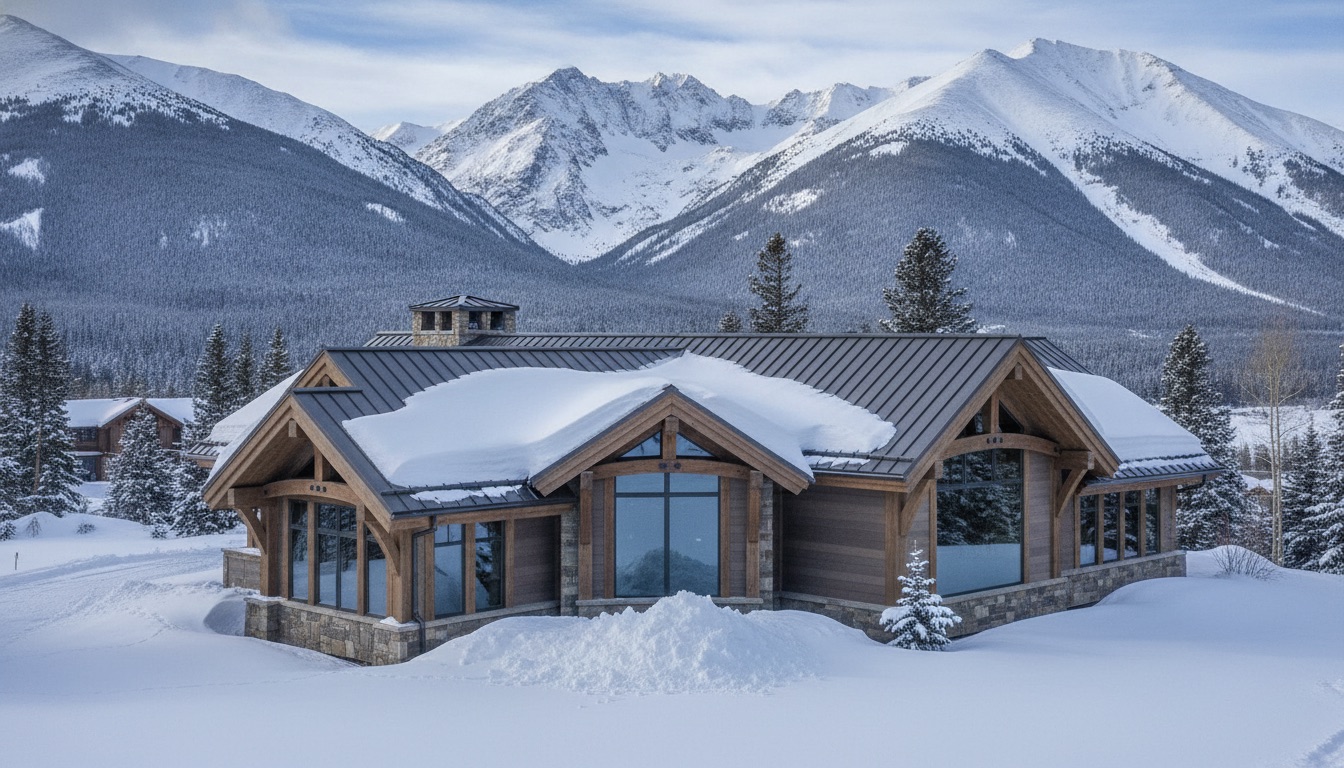
Metal roofing at elevation: what ski country knows
Standing seam dominates above 9,000 feet for good reasons: snow shedding, fire resistance, 60-year life. Here's when it's worth it lower down, too.
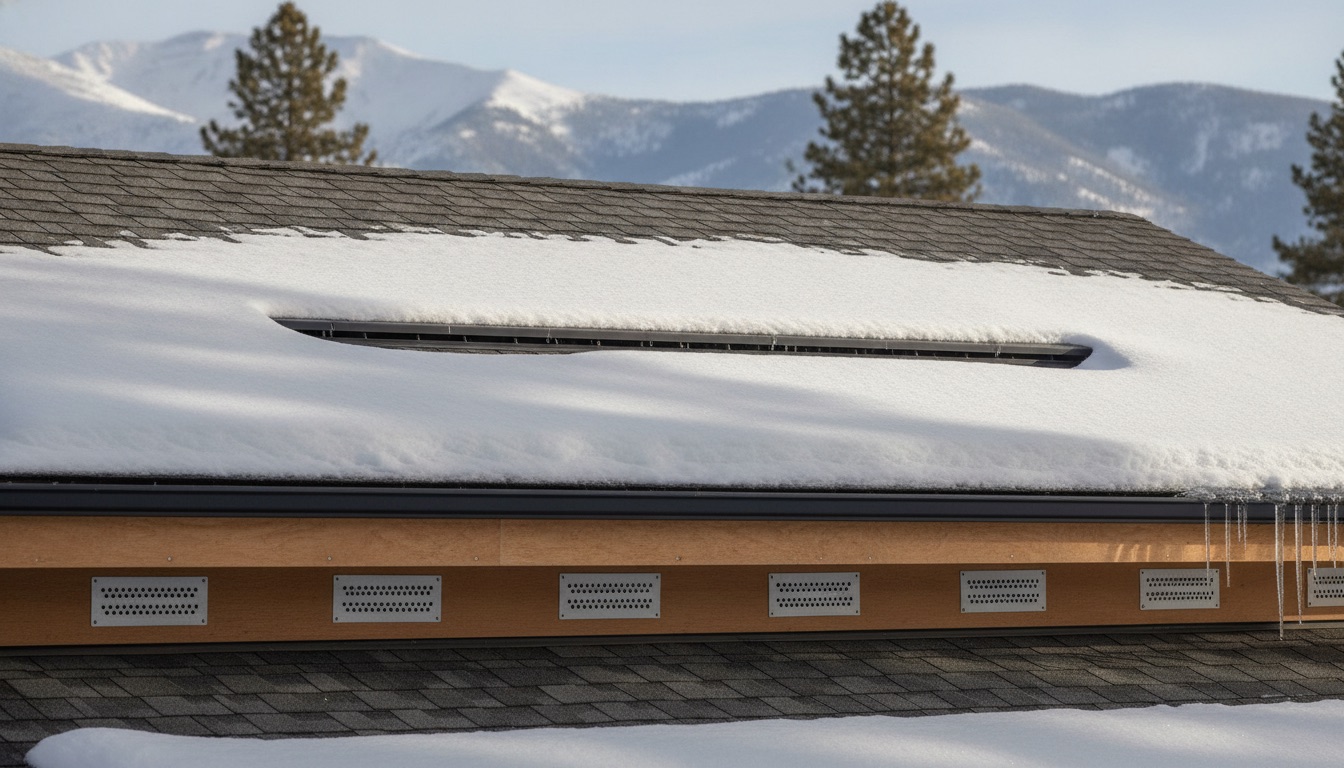
Ventilation: the invisible system that decides your roof's lifespan
Most premature roof failures at elevation trace back to airflow, not shingles. How intake and exhaust actually work, and why balance beats volume.
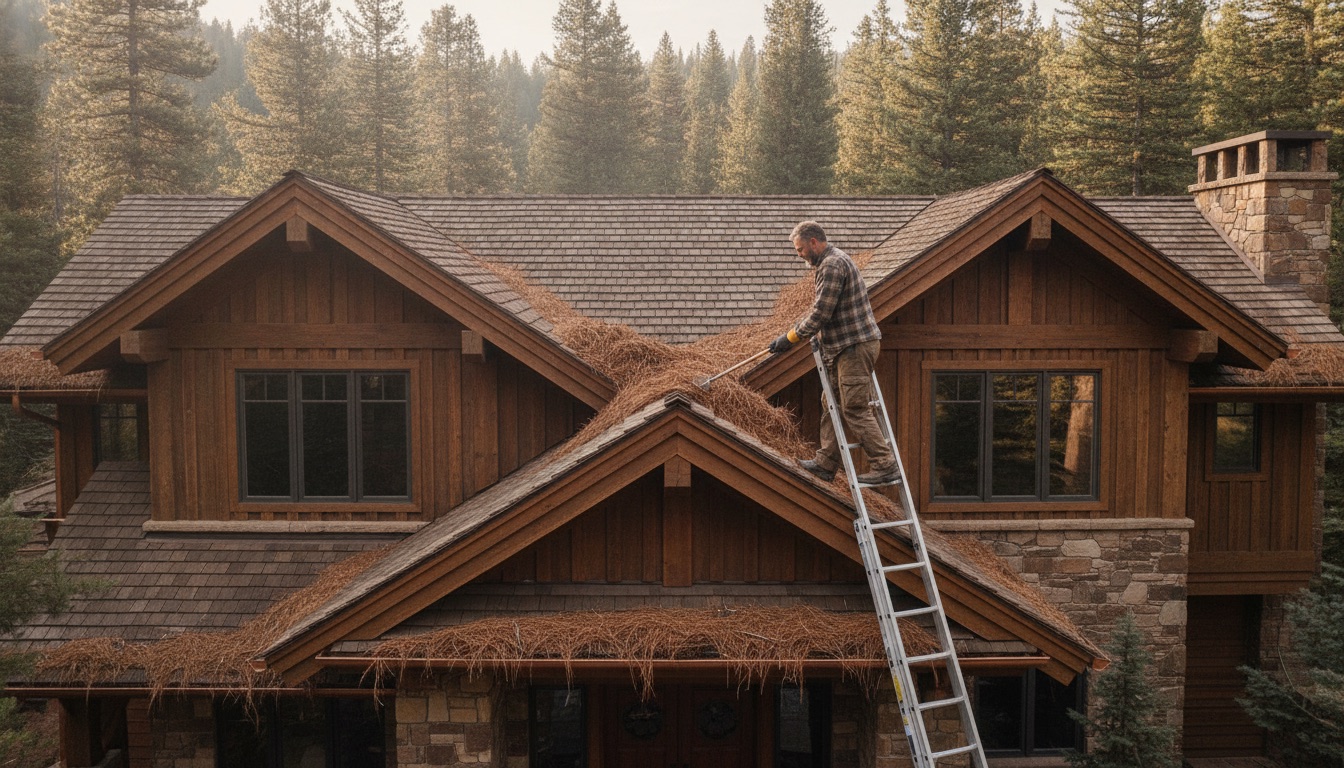
The mountain roof maintenance calendar
Pine needles, ice, UV, and wind never stop working on your roof. A season-by-season routine that catches small failures while they're still small.
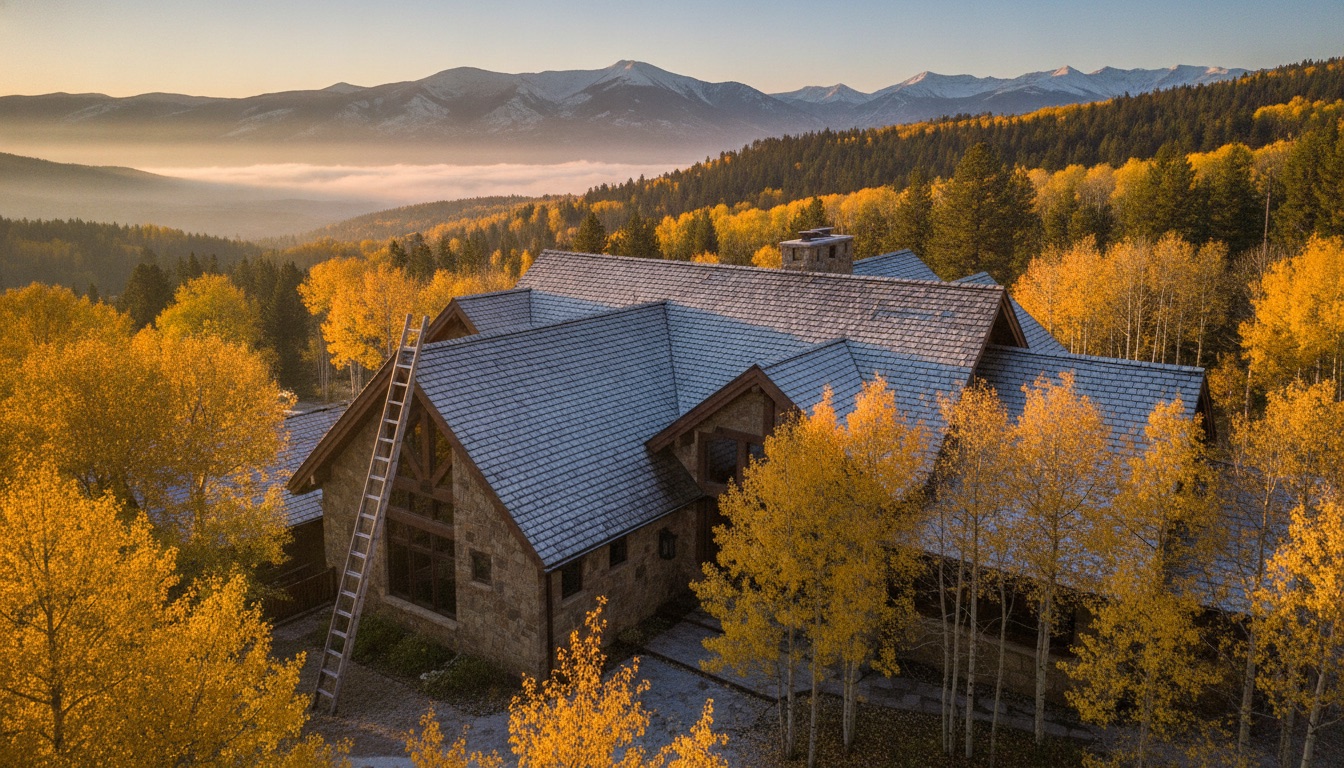
Winterizing your mountain roof: the October checklist
By the time the first big snow lands, your roof's winter is already decided. Eight things to check while the ladder is still an option.
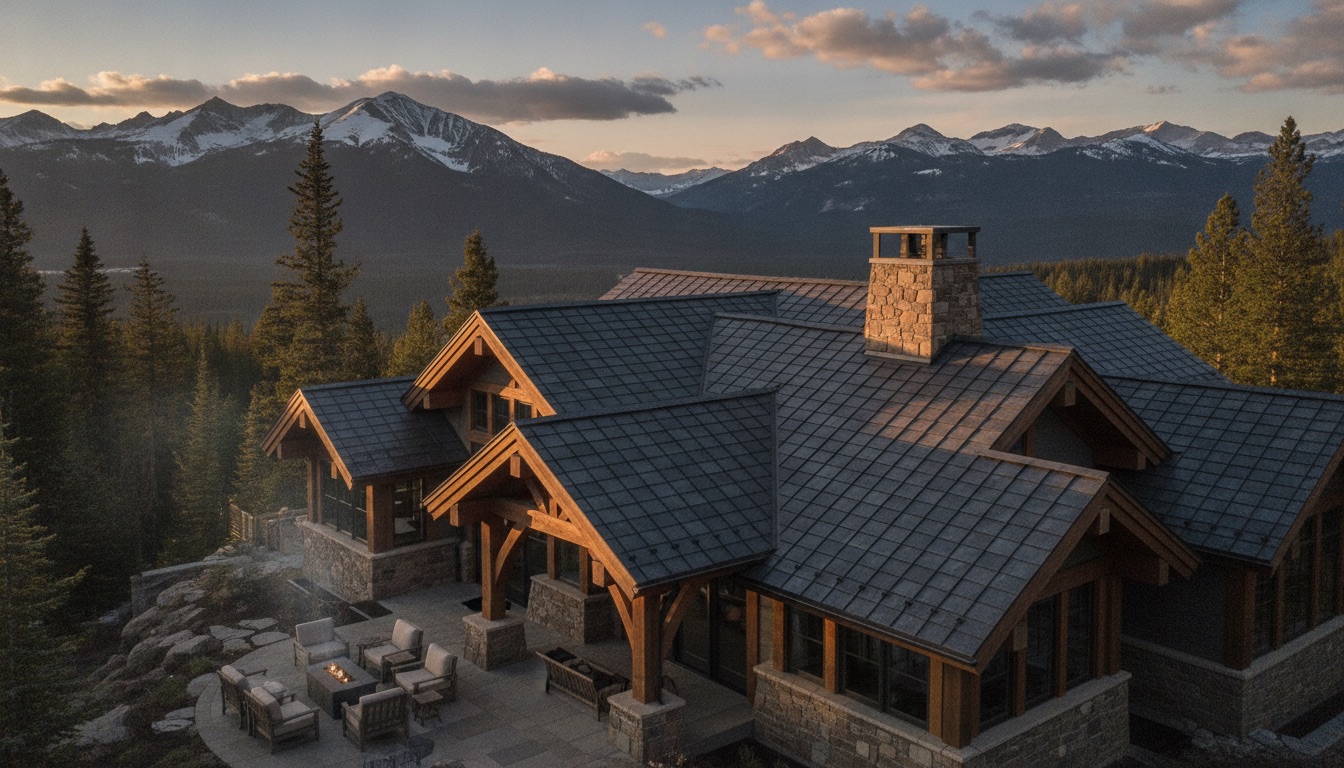
The Colorado homeowner's guide to hail damage insurance claims
The complete claim playbook: what hail actually does, the timeline from storm to settlement, what to expect at each step, and the checklist that protects you.
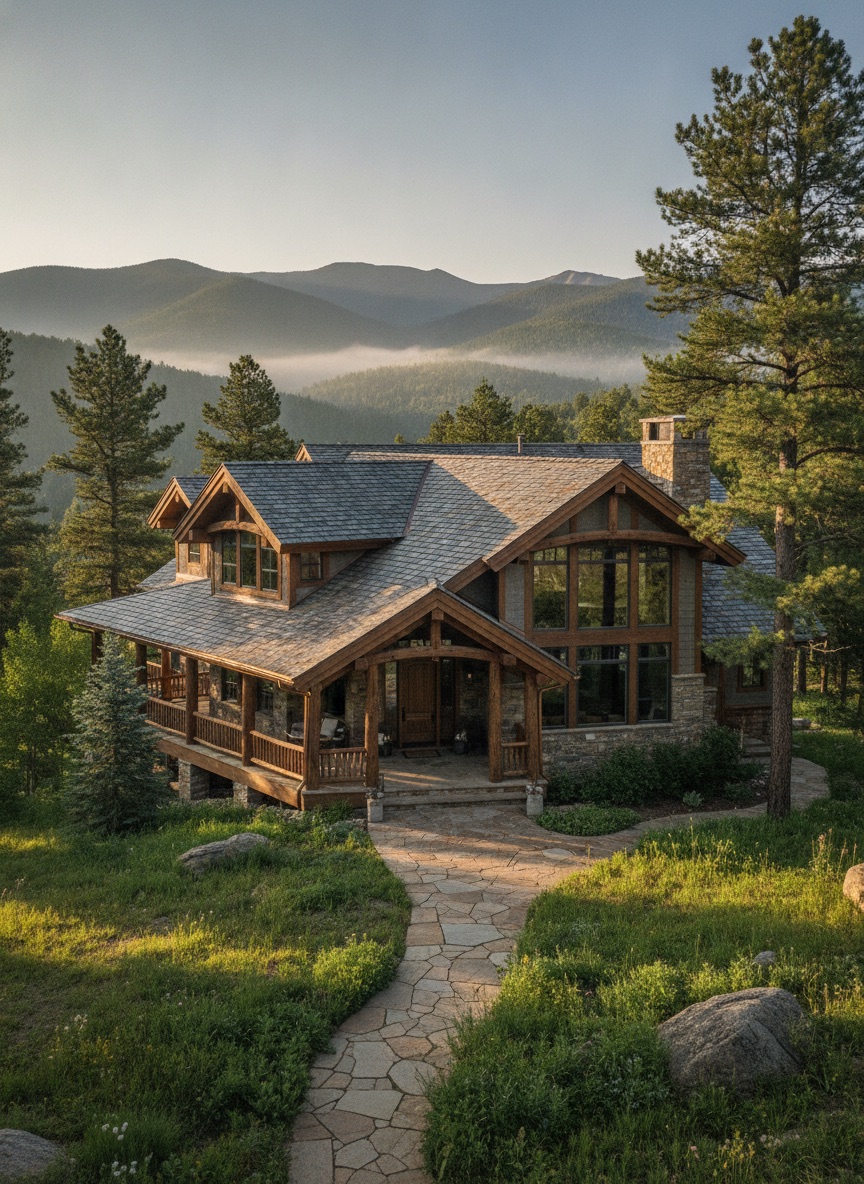
Understanding fire ratings: Class A roof assemblies and the mountain WUI code
Class A, B and C, covering versus assembly, and what Jefferson County's new Wildfire Resiliency Code means for your next roof. The biggest difference between mountain roofing and Denver roofing.
Want answers specific to your roof?
Start with a CHGR Roof Assessment Report™. We'll prepare the property and storm-history information before we arrive, then verify the condition of your roof in person.